What Is Data Center Virtualization

Cisco Virtualized MultiTenant Data Center Design Guide

VMware SoftwareDefined Data Center

Pin by Mukesh Sharma on The fiber planner How to plan

The softwaredefined data center is Cloud computing

Cisco Virtualization Solution for EMC VSPEX with VMware

Data Center Cloud Computing, Public, Private and Hybrid

Virtualization. The enterprise use of virtualization is expanding in all its forms. The growing range of use cases includes Server Virtualization, Data Virtualization, Database Virtualization, Desktop Virtualization, as well as Virtualization used more broadly for IT infrastructure in support of the “Software-Defined Data Center.”
What is data center virtualization. Virtualization: Our data center virtualization solutions help you increase administrative control while protecting your firm’s most critical data. Big Data: For your big data applications, we provide you with the right infrastructure to achieve predictable throughput and latency. Keep your data center server safe and functioning properly. Expand your storage solution capabilities via virtualization. Learn more about our data center servers and solutions, now. Data center virtualization will help you in optimizing your resources and infrastructure. Thus, the operational cost will automatically come down. Advantages of Data Center Virtualization. Reduce dependency on a single hardware; Server virtualization will help you in removing any dependency from your data center. Data virtualization is an approach to data management that allows an application to retrieve and manipulate data without requiring technical details about the data, such as how it is formatted at source, or where it is physically located, and can provide a single customer view (or single view of any other entity) of the overall data.. Unlike the traditional extract, transform, load ("ETL.
Data-center virtualization is about much more than servers these days. Everything from storage to applications to entire infrastructure stacks are being virtualized by startups seeking to push. Inside a Google data center. 2020. Ride along on a tour of a Google data center, listen in on a chat with vice president Joe Kava, and learn about the six layers of physical security that help. VMware is the global leader in virtualization software, providing desktop and server virtualization products for virtual infrastructure solutions. The MarketWatch News Department was not involved in the creation of this content. Sep 30, 2020 (AmericaNewsHour) -- Global Data Center Virtualization Market valued approximately USD 1.04 billion.
Through our Services for Data Center and Cloud, we offer expert advice, proven experience, best practices, and innovative tools to enable flexible, secure, scalable IT services. We provide a complete lifecycle of IT services from advisory to implementation, optimization, managed, training and technical services for faster time-to-market and. Data Center Technology & Virtualization The role of data center technology has had a significant impact on the virtualization process for enterprise organizations over the past few years. Storing large amounts of data has never been easier, and data centers using virtualization technologies make it easier for large companies to simplify and. Solutions for core data center applications including Microsoft, Oracle, and SAP. Converged Infrastructure Simplify and speed infrastructure deployment with our integrated and hyperconverged systems. Big Data and Analytics Make your data work for you. Virtual Desktop Infrastructure (VDI). Data center virtualization is basically a particular process where the designing, development and deployment of data center on cloud computing and virtualization technology is performed. This process enables the virtualization of physical servers in a facility for data center, networking, storage and other infrastructures equipment and devices.
A Flexible Cloud Infrastructure for Your Virtual Data Center. Begin your cloud journey with server virtualization. Moving forward, at your own pace, evolve toward a fully virtualized software-defined data center architecture: virtualize networking, storage and security to create virtual data centers. Data center virtualization typically uses virtualization software along with cloud computing technology to replace traditional physical servers and other equipment housed in a physical data center.. A data center that uses virtualization in data centers, sometimes referred to as a Software Defined Data Center (SDCC), allows organizations to control their entire IT framework as a singular. Data center security refers to the process of using physical and virtual components (such as firewalls) to protect a data center from malicious activity. In recent years, network virtualization. The term data center virtualization covers a number of discrete virtualization categories: server virtualization, data virtualization, application virtualization, and network virtualization. A traditional data center is composed of many different kinds of hardware, including switches, storage systems, routers, and servers. These components must.
Data Center Virtualization solutions are frequently updated. Having a year as its certification version allows VMware to better maintain the exam and training content, and more importantly, provides certification candidates to communicate how current their skills are in relation to other certifications. Fort Collins, Colorado – The report on the Data Center Virtualization Market provides an in-depth assessment of the Data Center Virtualization market including technological advancements, market drivers, challenges, current and emerging trends, opportunities, threats, risks, strategic developments, product advancements, and other key features.The report covers market size estimation, share. Data center virtualization can reduce your costs on facilities, power, cooling, and hardware, simplify administration and maintenance, and give you a greener IT profile. Data center virtualization is the process of creating a modern data center that is highly scalable, available and secure. With data center virtualization products that are software defined and highly automated, you can increase IT agility and create a seamless foundation to manage private and public cloud services alongside traditional on-premises infrastructure.
Data center virtualization allows you to consolidate many servers into one server. There are many benefits to doing this. Among them are cost savings, easy of manageability, flexibility, and agility.

Datacenter Automation Software Market Size, Share, Growth

Cisco Virtualization Solution for EMC VSPEX with VMware

Inside Facebook’s NotSoSecret New Data Center Best

SDN Network system and the key benefits to discuss in 2020
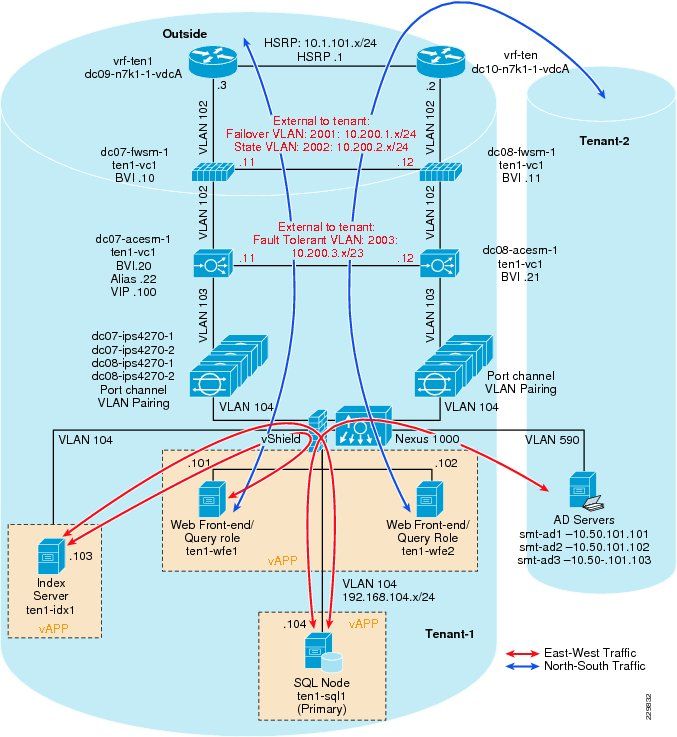
Enhanced Secure MultiTenancy Design Guide [Data Center

Server Room Purple UHD 4K Wallpaper Site hosting, Web

Facebook Data Center Data center, Center management

VMware Certified Professional 6.5 Data Center

Augmentation of Hosting Bandwidth and other Benefits of

Article on how you can protect your data in data center

The Differences Between Data Center and Residential

Cisco Virtualization Solution for EMC VSPEX with VMware

Pin by Entrust Network on IT Company Web hosting, Data

Pin by Секул Камберов Developer on Сървъри Бази данни
